Skip to content
Veteran-Owned & Operated – Free Shipping on Orders over $100
Veteran-Owned & Operated – Free Shipping over $100

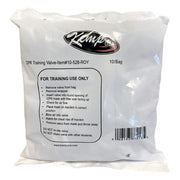
Kemp USA CPR Training Valves – 50 Valves, Royal Blue (5 Packs of 10)

Original price $80.00 - Original price $80.00
Original price
$80.00
$80.00 - $80.00
Current price $80.00
SKU 10-528-ROY
Availability:
in stock, ready to be shipped

HSA / FSA Approved

This item is HSA / FSA Eligible

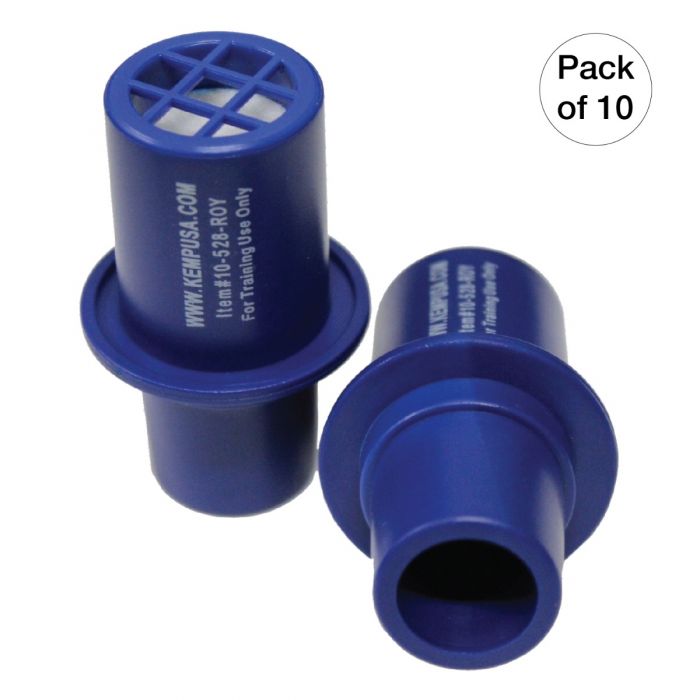
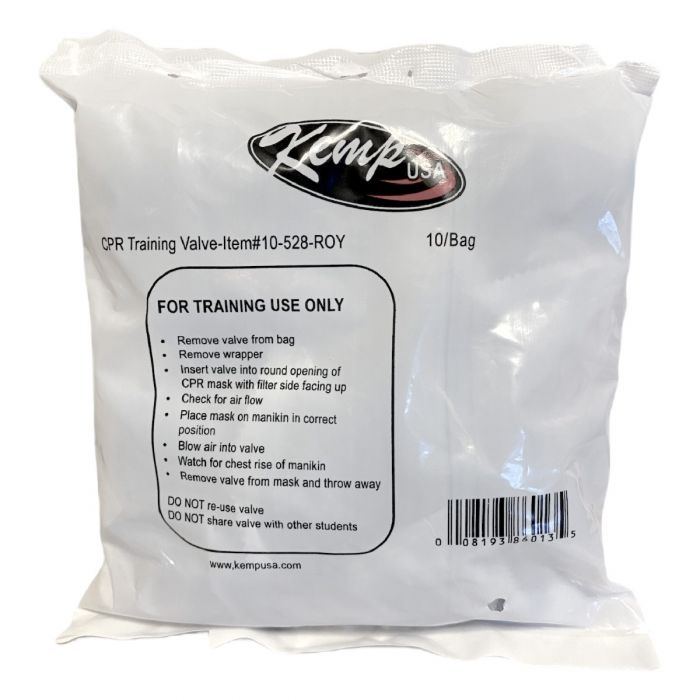
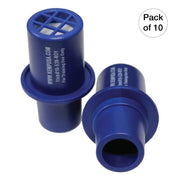
Fifty Valves, Five Packs of Ten

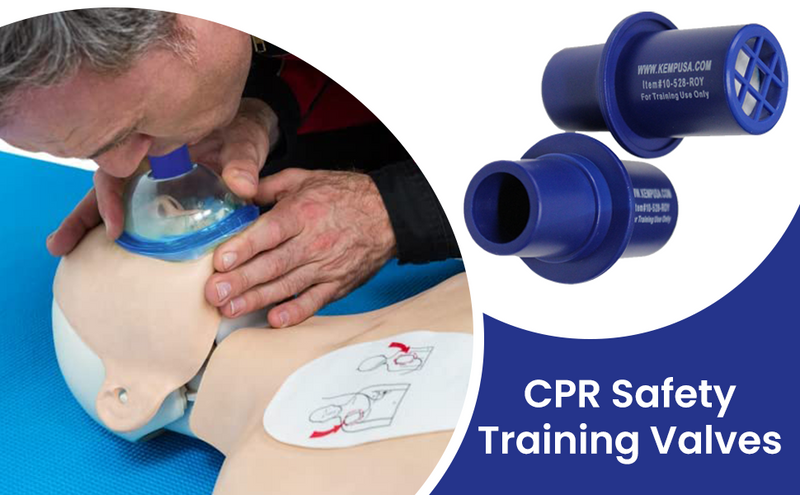
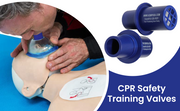
Running a CPR certification course requires a balance between realism and hygiene. The Kemp USA CPR Training Valves are built to solve that. These valves look and function like standard one-way rescue mask valves, but they use a high-efficiency air filter rather than a mechanical valve mechanism. That gives students the airflow resistance they need to practice rescue breaths at a lower cost per unit than a live medical valve.

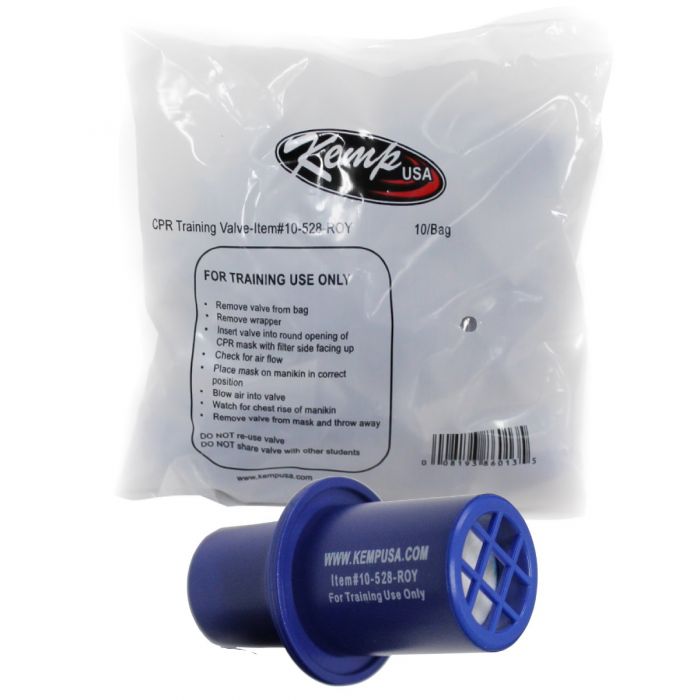
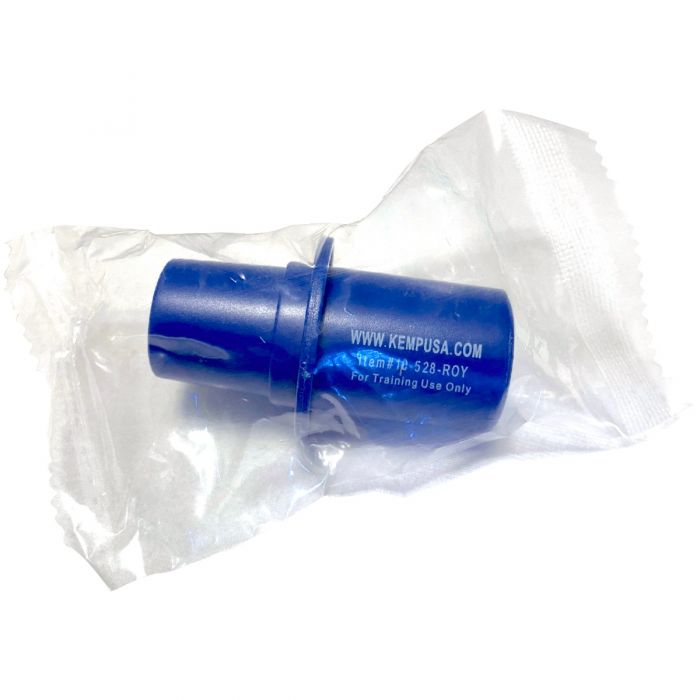
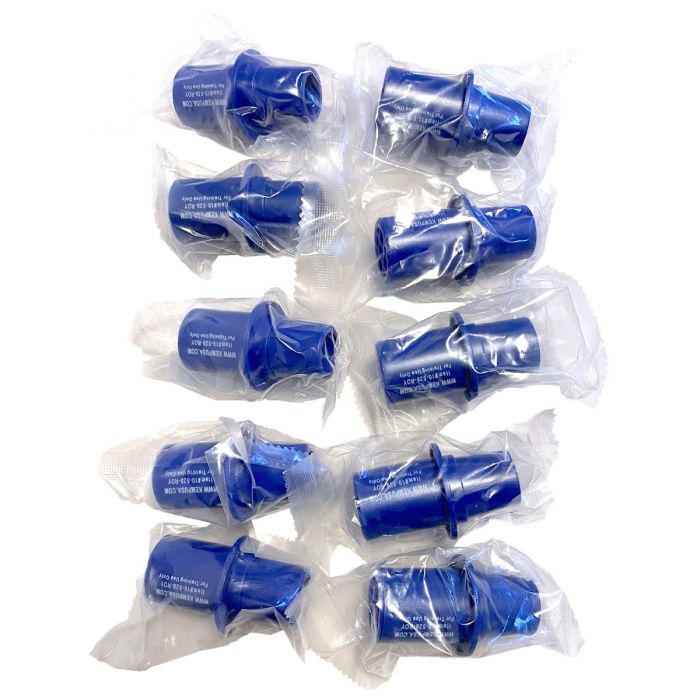
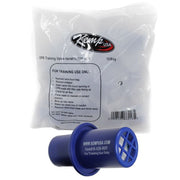
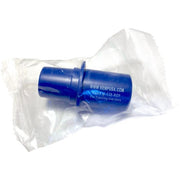
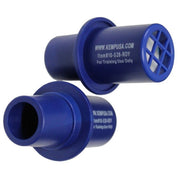
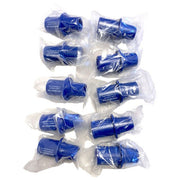
This listing supplies fifty valves, packaged as five packs of ten. Each valve is individually wrapped in plastic, so every student receives a fresh, sanitary piece of equipment at the manikin. The distinctive royal blue color makes them instantly distinguishable from live-use clear or white valves, preventing accidental mix-ups in jump bags.

Pack Configuration

Fifty valves total, supplied as five sealed packs of ten. Each valve inside is individually wrapped.

Key Features

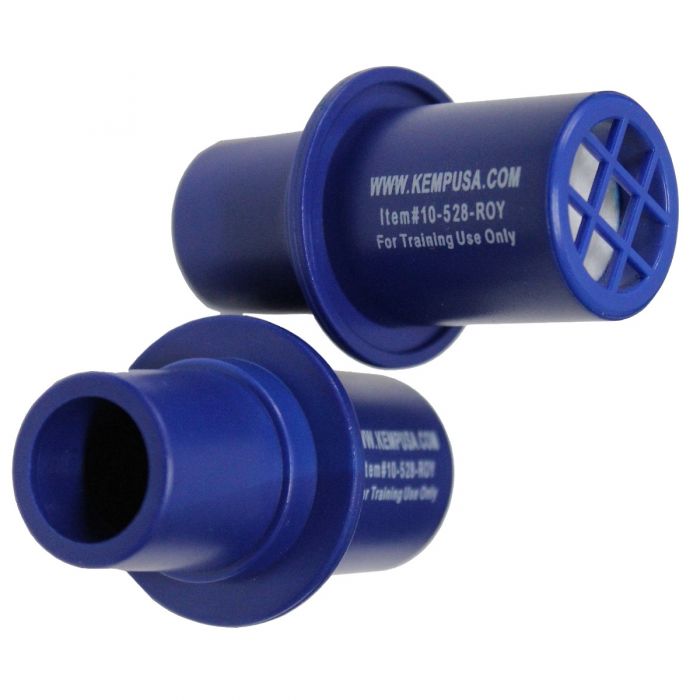
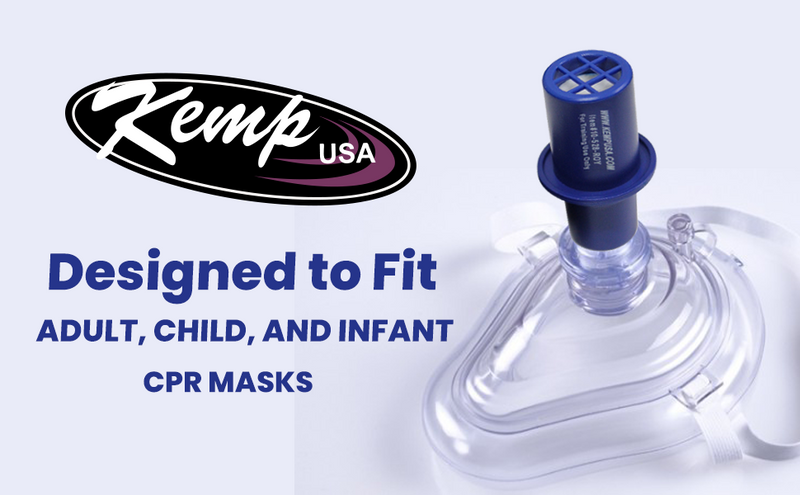
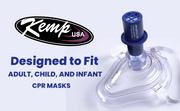
  • Universal Compatibility: A standard 22mm outside diameter fits the majority of adult, child, and infant CPR pocket masks, including Ambu, Laerdal, and Kemp models.
  • Cost-Effective Design: Using a filter instead of a mechanical valve lowers the per-student cost of consumables for training centers.
  • Hygiene First: Each valve is single-use and individually wrapped, guaranteeing a sanitary practice environment and preventing cross contamination between students.
  • Realistic Airflow: The internal filter mimics the resistance of a patient airway, so students learn the force required to ventilate effectively.
  • Safety Color Coding: The royal blue housing marks the unit as a training-only device, keeping it out of live first aid kits by mistake.
  • Fifty Valves Per Order: Covers several certification classes without a reorder.

Why It Matters

Instructors know that reusable valves are a hassle to disassemble and sanitize. These disposable training valves eliminate the cleaning time entirely. Hand one to each student, run the class, and discard them. At fifty to an order, a training calendar runs several sessions deep before the next purchase.

Technical Overview

Quantity: 50 valves, 5 packs of 10. Color: royal blue. Type: training, filter only. Fit: universal 22mm OD.

  • Total Valves: 50
  • Packaging: 5 packs of 10 valves
  • 50 x Kemp USA Royal Blue Training Valves (Individually Wrapped)
  • CPR Instructor, Sanitary Practice: the individually wrapped valves give each student a fresh piece at the manikin.
  • Training Center, Multi-Class Stock: the fifty-valve order covers several certification classes without a reorder.
  • Training Center, Low-Cost Consumable: the filter-based valve lowers the per-student cost of a class.
  • Instructor, Realistic Airflow: the internal filter mimics airway resistance so students learn proper breath force.
  • Course Supply, Mix-Up Prevention: the royal blue color marks the valve as training-only to keep it out of live kits.
  • Quantity: 50 Valves (5 Packs of 10)
  • Color: Royal Blue
  • Material: Plastic Housing / Fibre Filter
  • Fit: Standard 22mm OD (Fits most mask ports)
  • Usage: Single-Use / Disposable
  • Packaging: Individually Poly-Bagged
📖 Official Resource
Step-by-Step Field Manual
Learn how to properly deploy and stage this equipment in a crisis.

Frequently Asked Questions

Why are training valves more cost-effective than replacing full mask valve assemblies?

The Kemp USA CPR Training Valves offer a practical alternative to replacing entire CPR mask valve assemblies during training sessions. Because they are built for training rather than live rescue, they deliver the same educational value at a lower cost per student. Individually wrapped valves let instructors hold hygiene standards without buying complete mask systems, which suits high-volume training programs, EMS academies, and first aid certification courses where students practice repeatedly.

How many valves come in an order, and how are they packaged?

Each order supplies fifty valves, packaged as five sealed packs of ten. Every valve inside is individually wrapped in plastic, so a student receives a fresh piece at the manikin and unopened packs stay sanitary in storage between classes. Fifty is sized to run several certification sessions before a reorder, which suits a training center working from a set course calendar.

Do these training valves fit both adult and infant rescue masks?

Yes. The valves use a standard 22mm outside diameter compatible with adult, child, and infant CPR masks, so a training program does not need separate valve types for different age-specific manikins or practice scenarios. Whether teaching infant technique on a baby manikin or adult rescue breathing on a full-size trainer, the same valve works across all sizes, which simplifies inventory for training coordinators and EMS instructors.

How does the breathing filter simulate real patient breathing?

The breathing filter in each valve is engineered to mimic the resistance and airflow characteristics of actual patient breathing during a rescue. That simulation helps trainees develop correct breath delivery including volume, pressure, and timing. Unlike basic training valves that simply allow air passage, this filter provides tactile feedback that prepares students for the physical sensation of real CPR administration, which makes the training more effective.

Are these valves single-use, or can they be sanitized and reused?

The valves are single-use disposable items, designed that way to hold hygiene standards and prevent cross contamination between trainees. Each valve is individually wrapped for cleanliness. While some training equipment can be sanitized, these valves are intentionally disposable to remove any risk of pathogen transmission during practice sessions, which matters in medical training programs, healthcare facilities, and certification courses where infection control protocols govern.

Assembled in USA

Curated by Experts

Veteran Owned & Operated

Retired Army First Sergeant